Friday, December 24, 2010

Undertakings of an Ancient Warrior

Source:  منابر الجالية السودانية الامريكية : منتديات الجالية السودانية الامريكية : المنتدى العام
 الترجمة المثبتة هنا هي للصفحات الأولى من هذه الرواية وقد قمت بترجمتها، أو بالأحرى بإعادة كتابتها، في الإنجليزية، بنفسى. فازت

 هذه الرواية بالجائزة الأولى لمسابقة جائزة الطيب صالح للإبداع الروائي في دورتها الأولى سنة 2003 التي يرعاها مركز عبد الكريم ميرغني. نشرت الرواية في 2004_ مركز عبد الكريم ميرغني (أم درمان) الحسن بكرى
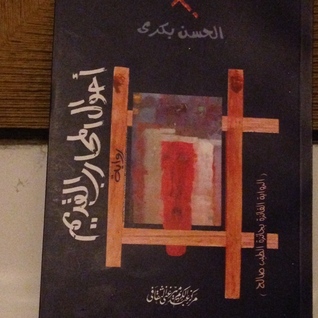
Undertakings Of An Ancient Warrior  

CHAPTER ONE (1)
I am Khalifa Wad-Mansour, descendant of the Lahawyeen tribe which itself belongs to the the Funj and Anj peoples. My father was the head guard of Sheikh Massa 'ad Absen, Sheikh of the Lahaweyyen Bedwins, whereas my mother, Haja Umzain, was a daughter of an honorable Nagarabi-Tagalabi family from the Jebel Marra Mountains; these are the mountains which my grandmother has talked to you about in her well known full moon Tales.

I was in my twenties when I found myself deeply engrossed in unrelenting scruples that could not be reined. At first I thought I could appease my pains by sticking to a lifestyle which valued only material joys of existence. I, frankly speaking, had found some consolation in that, but it was always a brief kind of consolation which quickly disappeared and left me prey to daunting uncertainties. Time and again, since the beginning of the nal drying season, my fears started to intensify.
Deeply languished in my gloominess, I conjectured that the bitterness might have been caused by the approach of the Darat season, the month of the year when the Tabar flowers die and the firm Dankooj stems dry up. But the time came when I found myself unable to sleep night after night. Then, when the war of liberation broke, I realized my total lack of will and spiritual resolve.

Despite my apparent physical strength, I inherited the two old disabilities of my Anaji ancestors, namely night blindness and lameness, which were the signs of their spectacular extinction which took place in the 15th century. As a result, the Buttana Brigade Commander, Liberation great hero, Hussein al-Tahir, hesitated in enlisting me as his personal assistant. I tried desperately to find a cure to my ailment in the local area, hence I determined to saddling my she-camel after autumn's submission to winter and travel to Jebel Mooya Mountains where Faqheeh Haroun, the Hausa witchdoctor lived, and hopefully regain under his care some of my health and a little of my firmness. I was afraid rain would not fall that autumn, however, Natra at last brought torrential rain. It was not long before the bee swarms rushed in buzzing from dawn to sunset carrying nectar from the green slopes of Mount Labaitoar .

We witnessed a lot of new hives being built, whereas the old ones were renovated and made bigger. Honey flowed from the sides and corners where the old hives stuck to their new extensions. But soon the cool north winds blew, therefore, I told my intimates and family of my intention to travel. The boys, my friends, filled two goatskins with honey and hanged them on the she camel’s back, one to the left of the saddle and the other to the right. Likewise, I took with me loads of millet, a quarter of a kintar of dry meat, a sack of dry Kassala onions and ten bottles of pure sheep ghee.

The camel instantly stood up when I jumped on her. I raised my hand signaling goodbye, making sure to look steadily in front of me as turning a head left or right could possibly bring misfortune. (2) Reverent Haroun closed the small outlets near the battered palm tree leaves ceiling of the small room and locked the heavy acacia wood door with the huge iron bolt he had bought from Maiyrno in his last trip to the town. He pointed out bluntly to me to sit down.

I kneeled, so the Faqheeh shouted, glaring at me pitilessly, "I told you to sit." This time I squatted. His pidgin Arabic did not supply him with better words, therefore he frowned and yelled while pointing at the floor, “I said sit down." I sat with my buttocks seated on my legs. Hajj Haroun cheered gladly this time, “Yes, that's it, by God’s will." When I gazed at him unable to hide my fear, he grumbled, “Don’t move, don't change the way you're sitting."

Apart from a short cover that went between my waist and knees, I was completely naked. Hajj Haroun was wearing a similar short cover. I saw him standing carrying a small wool bundle which he carefully opened and took out a broken ax blade which he grabbed with both hands and recited a rhythmic text in Hausa while spitting at the ax from time to time.

Then all of a sudden he threw the ax blade at me causing it to fall in front of me and thrust deep in the sand. He brought a black liquid with a tar smell and poured it on the blade. Then he scraped the ax with a rusty knife which caused a small blaze around the ax. Hajj Haroun asked me laughing, “Are you scared, boy?" The ax was still blazing, but I managed to answer him courageously, "Me scared? Not at all, Hajji." I sometimes had to lie if I were to give these people a good impression about me.

Subsequently, he stood up and pushed me between his legs, then inserted my head between his thighs and squeezed my neck and then pushed my face toward the glowing ax and roared, "Open, open, open." I screamed like a goat kid while he was mounting on my back and, with iron fists, forcing me near the fire. I surrendered to my fate and convinced myself that certain types of misfortune are better than others. I kept my eyes widely open while facing the glowing ax blade until blood swept warm from them. Seeing my bloody eyes, Faqeeh Haroun got down from my back. Then he brought a small kohl tube and inserted a rod into it and blackened my eye lashes.

He shouted softly as if he were an angel this time, "Close your eyes, darling." I did. Still looking like an angel, he said, “Don’t open them before I ask you to, darling." Hallucinating, reciting and whispering I felt his face warm close to mine. He said, “Open your eyes." I opened them. Faqeeh Haroun was beaming with happiness. He took out a mirror and polished the surface with his abundant saliva. He said, “Look." My eyes became stunningly beautiful. I shouted laughingly, “How lovely!" Faqeeh Haroun was also bewildered; I saw his eyes roving over my new beauty. Faqeeh opened the door hastily. A dazzling light filled the room although the small outlets were still closed. I walked out limping and looked towards the green, high mountains.

The world had changed into a paradise. Everything looked lucidly clear. Haroun said, “Short sight has now gone." I came close to him and kissed his face and said, “Now it has gone."

Amir Taj Elsir: Another contribution to Suanese Magical Realism

Source: www.arabworldbooks.com/authors/amir_tagelsir.htm
I was lucky to get a copy of the amzing novel of مهر الصياح
Le Council de Cris, one of the best works of the Sudanese writer Amir Taj Elsir. It was published in 2009 jointly by Arab Schientific publishers (Lebanon), and Editions El-Ikhtilef (Algeria).

The writer adds new dimensions to the Sudanese school in Magical Realism that his colleague Alhassan Albackeri established in his unique novel أحوال المحارب القديم in 2003 or as the author translated Undertakings of an Ancient Warrior
I found this article on the Arab Books Forum, which sheds lot of lights on this distinguished author.


أمير تاج السر
يتميز ” أمير تاج السر ” بلغة شعرية فاخرة ، وسرد يغوص في أعماق الذات الإنسانية ويكتشف عوالمها ، برؤية ثاقبة للأشياء ، بالإضافة إلى امتلاكه قدرة على سبر أغوار الأسطورة ، والتاريخ ، وصياغتها من جديد بقالب إبداعي مختلف

يمتلك تجرية متميزة في السرد، يقارنها بعض النقاد بتجربة الطيب صالح، ليس من جهة تشابهها معها ولا من جهة قرابة الدم بين الاثنين، حيث الثاني خال الأول، ولكن لأن الرواية السودانية لم تقفز خارج الأسوار منذ “موسم الهجرة إلي الشمال” للطيب صالح إلا ما ندر منها، كما في حالة أمير تاج السر، الطبيب الذي كسر قاعدة الأطباء في رسم غلالة من الصمت والهدوء حول شخصياتهم من الخارج، ليشهر قلمه وينثر آلاف الكلمات علي مئات الصفحات، مثيراً زوبعة من الأخيلة والتأويلات حول ما يروي .. أو ما يكتب.

بدأ ممارسة الكتابة في مراحل مبكرة جداً من حياته، ففي المرحلة الابتدائية كان يكتب القصص البوليسية تقليداً لما كان يقرؤه أثناء الطفولة، وفي المرحلة المتوسطة بدأ يكتب الشعر بالعامية، وتغنى المطربون فيما بعد بالكثير من أشعاره. واستمرت كتابة الشعر حتى خلال دراسته للطب، وأصدر دواوين شعر بالعامية السودانية، وفي عام 1985 بدأ يكتب الشعر بالفصحى ووصل لمراحل متقدمة وكانت قصائده تنشر في مجلات كبيرة ومزدهرة في ذلك الوقت مثل “القاهرة” و”إبداع” و”المجلة” و”الشرق الأوسط” وكان يتوقع الكثير من أصدقائه أن يظل مستمراً في كتابة الشعر، لكنه في العام 1997 كتب رواية اسمها “كرماكول”، وكان حينها أنهى دراسته في جمهورية مصر العربية ويستعد للعودة، ورغم كونها رواية صغيرة فوجئ بأنها أحدثت أصداء كبيرة في القاهرة، الأمر الذي شجعه لمواصلة الكتابة، لكن بعد عودته للسودان بدأ ممارسة الطب، وعمل في أماكن بعيدة، ولكثرة التنقل والانشغال بتكوين الذات في مجال العمل، انقطع عن الكتابة لسنوات طويلة، حتى انتقل في عام 1993 للعمل في الدوحة.

في عام 1996 كتب روايته الثانية “سماء بلون الياقوت” بعد انقطاع عن الكتابة دام عشر سنوات، وهي مستوحاة من بيئة شمال السودان، ثم تلاها رواية “نار الزغاريد” ثم “مرايا ساحلية” وهي الرواية التي أحدثت نقلة في تجربته الروائية، وكانت عبارة عن سيرة عن منطقة “بورسودان”، كما كتب “سيرة الوجع” والتي نشرت على حلقات في جريدة “الوطن” القطرية، وكانت عن ذكريات متنوعة من البلدة البعيدة التي كان يعمل بها “طوكر”، ثم كتب “صيد الحضرمية” و”عيون المهاجر”.

أما البداية الحقيقية والتي تمثل مرحلة الانطلاق والانتشار الواسع النطاق، كانت في عام 2002 عندما كتب د. تاج السر روايته الأشهر “مهر الصياح” و هي رواية ضخمة ذات طابع تاريخي، وهي التي حققت انتشارا كبيرا وأصداء بعيدة، وترجمت منها عدة فصول بالفعل، ، وتلتها رواية “زحف النمل” التي انتشرت بشكل كبير، وحققت أكبر شهرة، وصادف صدورها مع افتتاح معرض القاهرة للكتاب، وحققت حينها أعلى مبيعات، وانتشرت بشدة، وبعد ذلك تواصلت التجربة مروراً بتوترات القبطي والعطر الفرنسي، وصولا لـ صائد اليرقات.

اهم اصداراته

1- مهر الصياح
بلغته الشاعرية الخاصة والمميزة، يسرد المؤلف السوداني أحداث هذه الرواية المشوقة. ويقدم فكرة شاملة عن الثقافات المتعددة التي استوطنت السودان، وشكّلت تاريخها وحضارتها، ويخص بالذكر دارفور وتاريخها في القرن الثامن عشر، من خلال شخصية إبن صانع الطبول الفقير “آدم نظر”، النابضة بالحياة والغنية والفّذة، والمليئة بالأسرار.

تتشابك حياة آدم مع الشخصيات الأخرى، داخل إطار مركّب، يحتوي مزيجاً من الواقع والخيال وعالم الأساطير، ليخفي وراءه رسالة ورمزاً، مما يحفّز القارئ على متابعة التفاصيل والشوق لمعرفة المصير الذي سيؤول إليه بطل الرواية.

القصة مستوحاة من كتاب ألفّه “رحالة عربي قام برحلة إلى بلاد السودان في القرن السابع عشر”، حسب ما يقول المؤلف في بداية كتابه الغني بالمعلومات والأجواء التاريخية.

“الأخبار لا تندس أبداً.. في القصور المرفهة أو أحياء الفقر أو الأسواق والطرقات، النصوص المكتوبة قد تعاد كما هي أو قد تكتب بأحبار أخرى، وتروى من جديد..”، وقد نجح المؤلف في ذلك مكوناً أسلوبه الشاعري الخاص والمحبب.

2- زحف النمل
لة صعود مطرب من المجهول إلي قمة المجد ثم أنحداره الذي جاء علي يد متبرع بكلية زرعت في خاصرته وأحالت حياته إلي جحيم يعلن المتبرع في البداية رفض المقابل المادي لكليته وسرعان ما نكشف أن الثمن الذي يريده كان حياة المطرب ذاتها وليس أقل من ذلك !

يخلص ” فاعل الخير” المطرب من زحف النمل في دمه تحت ماكينة الغسيل الكلوي لكنه يزحف مع كل أهل قريته ليقيموا في فيلا المطرب ويحيلوا هدوءها إلي فوضي صاخبة.

في الرواية يتعانق السرد والشعر حيث تاتي اغنيات المطرب كفواصل ساخرة بين فقرات الحكي سريع الأيقاع وتحيلنا خفة الأغنيات إلي ما يحدث في عالم الغناء وكيفية تصنيع نجومه علي أن أهم ما تحققه ” زحف النمل ” هو متعة القراءة وهذه هي المهمة الأولي والأخيرة للكتابة الجيدة.

3- توترات القبطي

صدرت عن دار (ثقافة) للنشر بأبوظبي بالاشتراك مع الدار العربية للعلوم ببيروت والرواية المستوحاة من التاريخ ، حيث تجري أحداثها في مدينة (السور) التي كانت أول الأهداف الكبيرة لثورة دينية هبت كما تقول تعاليمها ، لطرد المستعمر وتطهير البلاد من الكفر والشر، ووجد (ميخائيل القبطي) نفسه داخل تلك الثورة بعد أن انقضت على المدينة التي كان يعمل فيها محاسباً وجامعاً للثروة، ليفقد أهله وخطيبته (خميلة) التي كان زواجه منها يقترب حين تم غزو المدينة. يتغير اسمه إلى ( سعد المبروك ) ، ويجد نفسه طباخاً في إحدى الكتائب برغم عدم معرفته بالطبخ، ثم يعين تابعاً لقائد الكتيبة حيث ينشأ صراع بينه وبين القائد حول (خميلة) التي كان القائد مولعاً بها كما يبدو، ويغشاها في أحد البيوت في مدينة ( السور ) الغارقة في الفوضى . وبرغم افتتان القبطي بالدين الإسلامي الذي دخله كما يقول، إلا أنه لا يبدو مؤمناً كثيراً بتعاليم الثورة، وكان منشغلاً طوال الرواية بمحاولة تذكر الماضي وحبيبته الضائعة ومحاولة العثور عليها في كوابيس القائد الذي يقيم في خيمة ملاصقة لخيمته في معسكر الكتيبة .

4- العطر الفرنسي

تعتمد الرواية في بنائها الدرامي على خبر وصول نجمة فرنسية للإقامة في حي “غائب” الشعبي في إحدى المدن السودانية النائية لكتابة بحث عالمي لا أحد يعرف ماهيته أو أسبابه، يلتقط بطل الرواية “علي جرجار” الخبر، ويسارع لنقله إلى الحي الهامشي بعد أن يضيف إليه الكثير من البهارات والمحسنات ليجعل منه خبراً مشوقاً يستحق النقل.
تحدث أثناء الانتظار تداعيات وتطورات كثيرة غير متوقعة منها سقوط “علي جرجار” في حب الضيفة المتوقع وصولها، ذلك الحب الوهمي يدفع “جرجار” للتخلي عن ممارساته القديمة، وبناء شخصية مختلفة ليكون مستعداً لقبول الزواج من الفرنسية بعد أن تخيّل أنها ستقع في حبه وتطلب يده.

5- صائد اليرقات
صدرت عن دار ثقافة للنشر بأبوظبي بالاشتراك مع دار الإختلاف بالجزائر ، رواية صائد اليرقات للروائي السوداني أمير تاج السر ، تحكي الرواية قصة عبد الله حرفش الملقب بعبد الله فرفار ، رجل الأمن الذي تقاعد عن العمل بعد أن بترت ساقه اليمنى إثر حادث أثناء ممارسته عمله ، وقرر أن يصبح كاتبا روائيا بعد أن قرأ في عدد من الصحف والمجلات عن أشخاص لا علاقة لهم باالكتابة أصبحوا كتابا .
تتغلغل الرواية في وسط عالم الكتابة ، والمثقفين ، وتحتشد بشخصيات عديدة ، ومصائر شتى ، وكتبت بلغة موحية وساخرة .